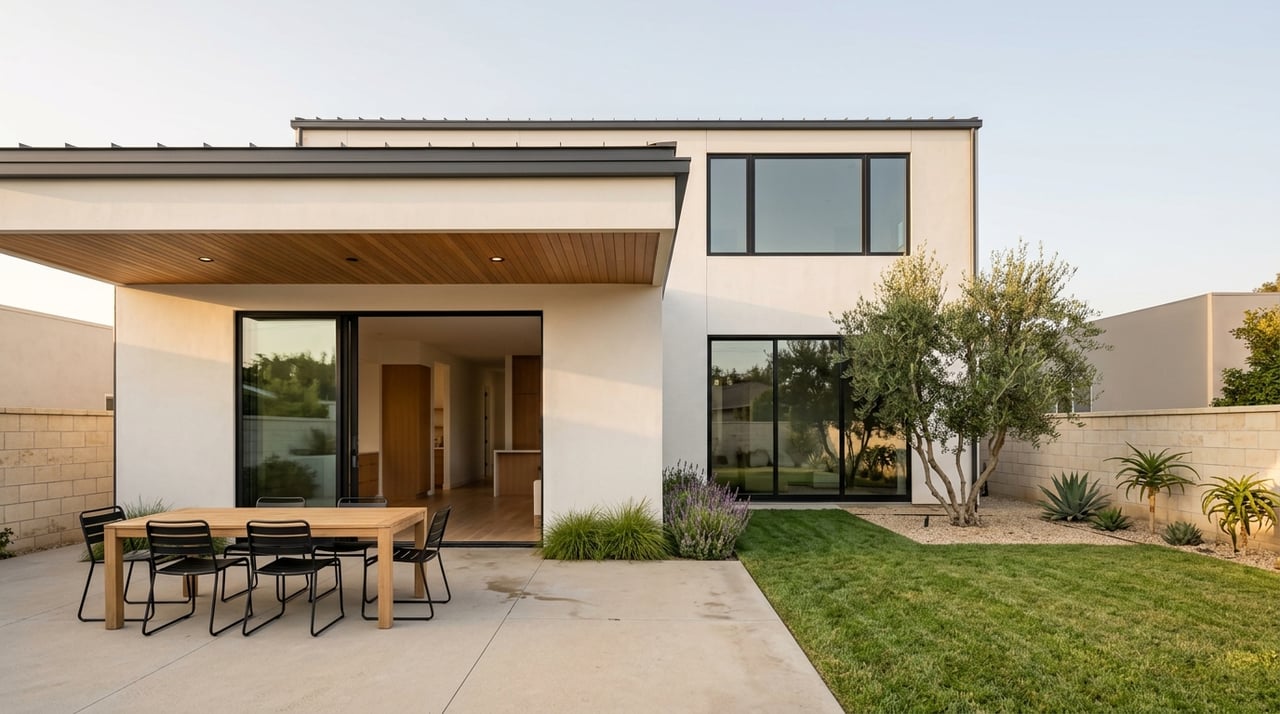
If you receive two strong offers on your San Diego luxury home, the decision is rarely as simple as choosing the highest number. In this market, a great offer needs to look strong on paper and hold together all the way to closing. When price gaps are narrow or the property is highly customized, the details behind the offer can matter even more. Let’s dive in.
Why offer quality matters in San Diego
San Diego County remains a high-value market, with a countywide median sale price of $927,409 over the three months ending April 2026 and homes selling in an average of 23 days. In Redfin’s luxury segment, defined as the top 5% of the metro price range, the median sale price reached $3,771,836 and the median days on market stretched to 43.
That difference tells you something important. Luxury homes often take longer to match with the right buyer, and once offers arrive, sellers need to weigh execution risk just as carefully as price. A property in La Jolla, Del Mar, Rancho Santa Fe, or another high-end San Diego enclave may have fewer direct comparable sales, which can affect financing, appraisal, and negotiations after acceptance.
Start with net proceeds, not just price
A headline offer price gets attention, but it does not tell you what you will actually walk away with. California Department of Real Estate guidance advises buyers and sellers to pay attention to contingencies, special conditions, and comparable sales.
For you as a seller, that means reviewing credits, repair requests, closing cost demands, and any other concession that can reduce your bottom line. A higher offer that asks for substantial credits may leave you with less than a slightly lower offer that is cleaner.
What to compare in the numbers
When you review competing offers, look at:
- Purchase price
- Requested seller credits
- Repair expectations or inspection-related language
- Closing cost requests
- Deposit amount and structure
- Estimated net proceeds after concessions
In a luxury transaction, these details can create a meaningful spread in your final outcome. That is why experienced sellers often rank offers by net value, not by the top line alone.
Review financing strength closely
In a higher-rate environment, financing quality matters. Freddie Mac reported the 30-year fixed average at 6.49% as of June 25, 2026, which means even well-qualified buyers may still face tighter underwriting review than sellers expect.
A preapproval letter can help show that a buyer is serious, but it is not a guaranteed loan. California DRE guidance also notes that lenders evaluate credit history, job stability, and down payment size, so the strength of the financing package deserves real scrutiny.
Signs of a stronger financed offer
A stronger financed offer often includes:
- A substantial down payment
- Clear preapproval documentation
- Proof that funds needed for closing are available
- Terms that suggest the buyer is likely to survive underwriting and final approval
For luxury sellers, this matters because a financed buyer offering more money is not always the safer choice. If the loan is shaky, the deal can slow down, reopen negotiations, or fail before closing.
Measure the contingency load
Contingencies are one of the clearest ways to evaluate risk. California Association of Realtors standard purchase terms commonly include loan, appraisal, inspection or investigation, title, seller-document review, and common-interest contingencies, often with a typical 17-day removal window for many items after acceptance.
The more contingencies an offer includes, and the longer those contingencies remain open, the more chances the buyer has to renegotiate or cancel. In a luxury sale, where buyers may be especially detail-oriented, this can become a major factor.
Why fewer contingencies can be stronger
An offer with fewer or shorter contingencies can be more attractive because it may:
- Reduce the odds of post-acceptance renegotiation
- Shorten the period of uncertainty
- Lower the risk of the property returning to market
- Give you more confidence in your moving timeline
That does not mean the shortest contingency period always wins. It means you should compare how realistic and manageable each buyer’s terms are for your specific property and timeline.
Account for appraisal risk
Appraisal risk deserves special attention in San Diego luxury neighborhoods. High-end homes are often unique, and the comparable sales set may be limited, especially for view properties, custom builds, or homes with one-of-a-kind finishes and locations.
C.A.R. guidance flags the low-appraisal issue as a real seller concern. If a property does not appraise at the contract price, the buyer may ask to reduce the price, bring in additional cash, or cancel if an appraisal contingency is still in place.
Questions to ask about appraisal exposure
You should consider:
- Is the buyer paying cash or using financing?
- If financed, how large is the down payment?
- Is there language that limits the buyer’s ability to renegotiate if the appraisal comes in low?
- Does the pricing appear supportable based on recent comparable sales?
A lower-priced offer with less appraisal exposure can sometimes be the smarter choice. That is especially true when the home is hard to comp or priced at the top of its market segment.
Compare timing and possession needs
Price and financing are important, but logistics matter too. California DRE guidance notes that contingencies can affect the closing date and the timing of when the seller vacates or the buyer occupies the property.
For luxury sellers, timing can be highly personal. You may need a fast close, extra time to relocate, or a rent-back arrangement to bridge your next move. An offer that aligns with your schedule can carry more value than one that creates stress or added cost.
Timing terms worth reviewing
Pay close attention to:
- Proposed escrow length
- Flexibility around close of escrow
- Possession date
- Any rent-back request or post-closing occupancy arrangement
- Whether the buyer’s timeline depends on other moving parts
The smoothest sale is not always the fastest one. It is the one that supports your next step with the fewest surprises.
Look at the deposit structure
The earnest money deposit can tell you a lot about buyer commitment. California DRE guidance advises against cash deposits and notes that if a buyer fails to complete the purchase after acceptance, the deposit can become a key issue.
For many owner-occupied one-to-four unit residential deals in California, the residential liquidated-damages framework uses 3% of the purchase price as a key threshold. That makes deposit structure part of the seriousness test when you compare offers.
A meaningful deposit does not guarantee closing, but it can signal stronger intent. It also helps you understand how much the buyer is willing to put at risk to secure the property.
Protect confidentiality during negotiations
Privacy often matters more in luxury real estate. California Civil Code section 2079.16 says a seller’s agent owes fiduciary duties of utmost care, integrity, honesty, and loyalty. It also limits disclosure of confidential bargaining information without express permission.
That means your willingness to accept less than list price, or a buyer’s willingness to pay more, should not be shared casually. In dual agency situations, confidential financial and bargaining details also require careful handling.
For high-net-worth sellers, families seeking discretion, and owners considering selective exposure or off-market strategies, this is more than a legal point. It is a practical part of protecting leverage and preserving privacy throughout the process.
Make sure disclosures are complete and timely
Disclosures can affect how strong an accepted offer really is. California transfer disclosure rules require seller disclosures before transfer of title, and if a material disclosure is delivered after an offer is accepted, the buyer generally receives a limited window to terminate.
Under the rules summarized in the research, that window is generally 3 days after in-person delivery, 5 days after mail delivery, or 5 days after electronic delivery. In practical terms, late disclosures can reopen risk even after you think the deal is secure.
Why this matters in San Diego luxury sales
San Diego sellers should pay close attention to Natural Hazard Disclosure items, including whether a property is in an earthquake fault zone, seismic hazard zone, very high fire hazard severity zone, or wildland fire area. These issues can influence buyer confidence, insurance questions, and the pace of closing.
Complete, organized disclosures help reduce surprises. They also help buyers evaluate the property earlier, which can make the strongest offers cleaner and more durable.
Use a simple scorecard to rank offers
When multiple offers arrive, it helps to separate price from probability. California guidance allows a seller to accept the first satisfactory offer and gives the seller reasonable time to investigate the buyer’s financial responsibility.
That means the strongest offer is often the one that gives you the best mix of proceeds, certainty, and timing. In many San Diego luxury sales, a slightly lower offer can still be the better business decision if it is cleaner, faster, and less likely to fall apart.
A practical six-point offer review
A clear way to rank luxury offers is to ask:
- What are the net proceeds after credits and concessions?
- How strong is the buyer’s lender package or proof of funds?
- How many contingencies remain, and for how long?
- How much appraisal risk is built into the offer?
- Does the close and possession timeline work for you?
- How well does the process protect privacy and reduce public exposure?
This framework helps keep emotion out of the decision. It also brings focus back to what matters most: your outcome, your timeline, and the likelihood of a successful closing.
The best offer is the one most likely to close well
In San Diego luxury real estate, sellers who evaluate offers carefully often make better decisions than those who focus only on price. A clean offer with solid financing, manageable contingencies, realistic timing, and fewer opportunities for disruption can outperform a higher but riskier bid.
That is especially true in premium coastal and custom-home markets where pricing, appraisal, and privacy all deserve extra attention. If you are preparing to sell, a thoughtful strategy before offers arrive can make the review process far more efficient and far less stressful.
If you want discreet guidance on pricing, preparation, and negotiating the strongest path to closing, The Lotzof Group can help you evaluate your options with clarity and confidence.
FAQs
How should San Diego luxury sellers compare multiple offers?
- Compare net proceeds, financing strength, contingencies, appraisal risk, timing, deposit structure, and privacy considerations instead of looking only at the highest price.
Why can a lower offer win on a San Diego luxury home?
- A lower offer can be stronger if it has fewer contingencies, better proof of funds or financing, lower appraisal risk, and a closing timeline that better fits the seller’s needs.
What contingencies matter most to San Diego luxury sellers?
- Loan, appraisal, inspection or investigation, title, seller-document review, and common-interest contingencies are all important because they can create delay, renegotiation, or cancellation risk.
How does appraisal risk affect a luxury home sale in San Diego?
- Luxury homes can be harder to appraise because comparable sales may be limited, so sellers should review whether the buyer has the cash, financing structure, and contract terms to handle a low appraisal.
Why do disclosures matter when evaluating San Diego luxury offers?
- If material disclosures are delivered after acceptance, the buyer may have a limited right to terminate, so complete and timely disclosures can help reduce fallout risk and support a smoother closing.
What role does privacy play in San Diego luxury offer negotiations?
- Privacy matters because California law protects confidential bargaining information, and careful handling of seller and buyer terms can help preserve leverage and discretion throughout the transaction.