If you live in the canyons or foothills around Orange, you know wildfire season is real. Wind can carry embers long distances, and even a well-kept yard can face risk if small gaps or dry debris are nearby. You want clear, practical steps that make a difference without wasting time or money. This guide focuses on the highest‑impact upgrades and maintenance for Orange’s canyon properties, plus what buyers and sellers should know before a transaction. Let’s dive in.
Why wildfire hardening matters in Orange
Wildfire research shows embers are the top cause of home ignitions. Embers land in gutters, vents, decks and tiny gaps, then smolder into flames. Direct flame contact and radiant heat are next, especially where brush, trees or stored combustibles sit close to the house.
In Orange County, state Fire Hazard Severity Zone maps and Wildland‑Urban Interface mapping inform local rules. The Orange County Fire Authority and city departments guide defensible space, inspections and vegetation management. Following these standards helps reduce risk and supports insurance and resale confidence.
Start at the roofline
Your roof and roofline are the highest priority. They collect embers and set the tone for how your home handles wind‑driven fire.
Use a Class A roof
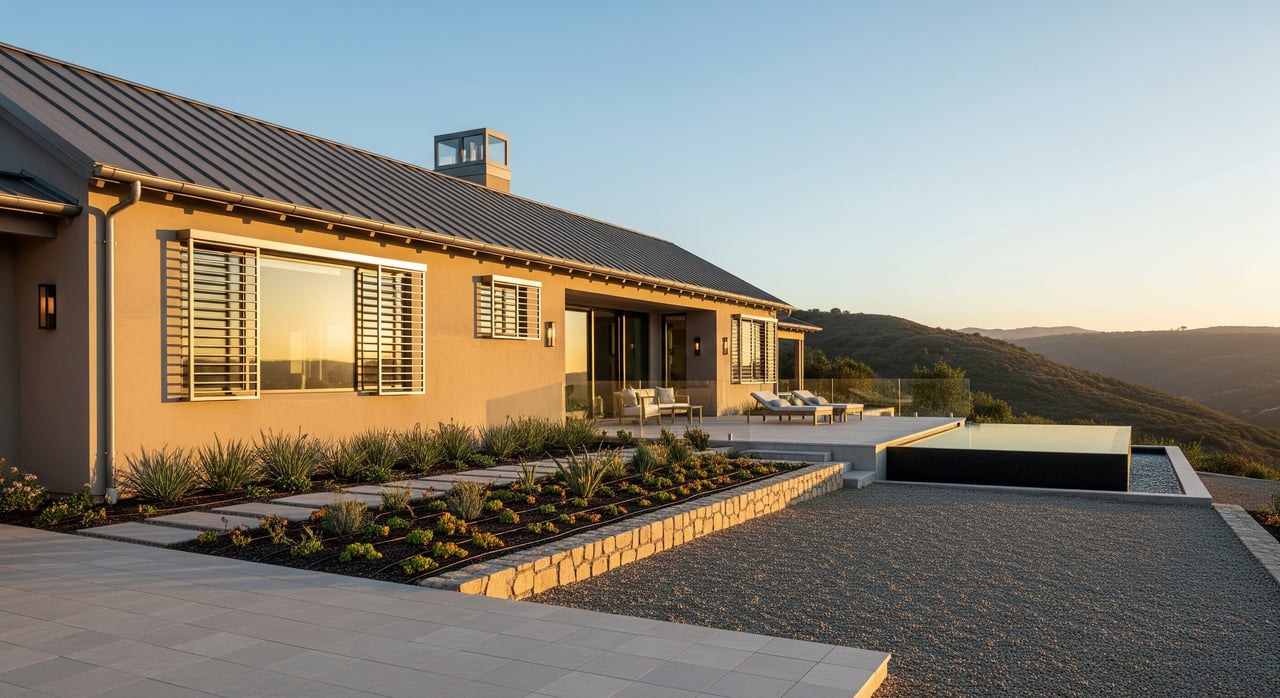
Confirm your roof is non‑combustible or Class A rated, such as tile, concrete, metal or Class A composition. Repair loose shingles and plan to replace aged or non‑rated roofing when feasible. A solid roof covering is one of the biggest risk reducers you can make.
Keep roof and gutters clean
Gutters and roof valleys trap dry leaves and needles that ignite easily. Clean gutters before fire season and consider gutter guards or non‑combustible covers. After storms, check for new debris and remove it promptly.
Install ember‑resistant vents
Attic, eave and soffit vents are common ember entry points. Install listed ember‑resistant vents or approved screening per manufacturer and code. Seal gaps at eaves, ridgelines and where utilities enter. Inspect vent screens and seals yearly and after big winds.
Fortify windows and doors
Windows and doors fail under heat or give embers a way inside. Strengthen these openings to defend the interior.
Upgrade glazing where possible
Tempered, dual‑pane windows resist heat better than single‑pane. If full replacement is not in budget, focus on the most exposed sides first. Maintain intact screens and consider non‑combustible shutters if appropriate.
Tighten doors and garage entries
Seal gaps around exterior doors. Fit the garage door with proper bottom and side seals to limit ember entry and airflow. Keep attached garages free of dry debris and stored combustibles near walls.
Choose ignition‑resistant exteriors
Exterior materials can slow or stop ignition, buying time for firefighters and preventing spot fires from taking hold.
Siding and trim
When remodeling, select non‑combustible or ignition‑resistant options such as stucco, fiber cement, masonry or metal. Avoid exposed wood trim in higher‑risk locations. Replace deteriorated siding and seal joints that could admit embers.
Decks and under‑deck areas
If you have a combustible deck, keep the underside clear of debris and storage. Add non‑combustible skirting or ember‑blocking materials where feasible. Regularly sweep deck surfaces and remove leaves at board gaps and edges.
Defensible space for canyon lots
Managing vegetation and spacing around your home reduces radiant heat and direct flame contact. Canyon and slope properties need special attention due to wind and terrain.
Structure zone: 0–5 feet
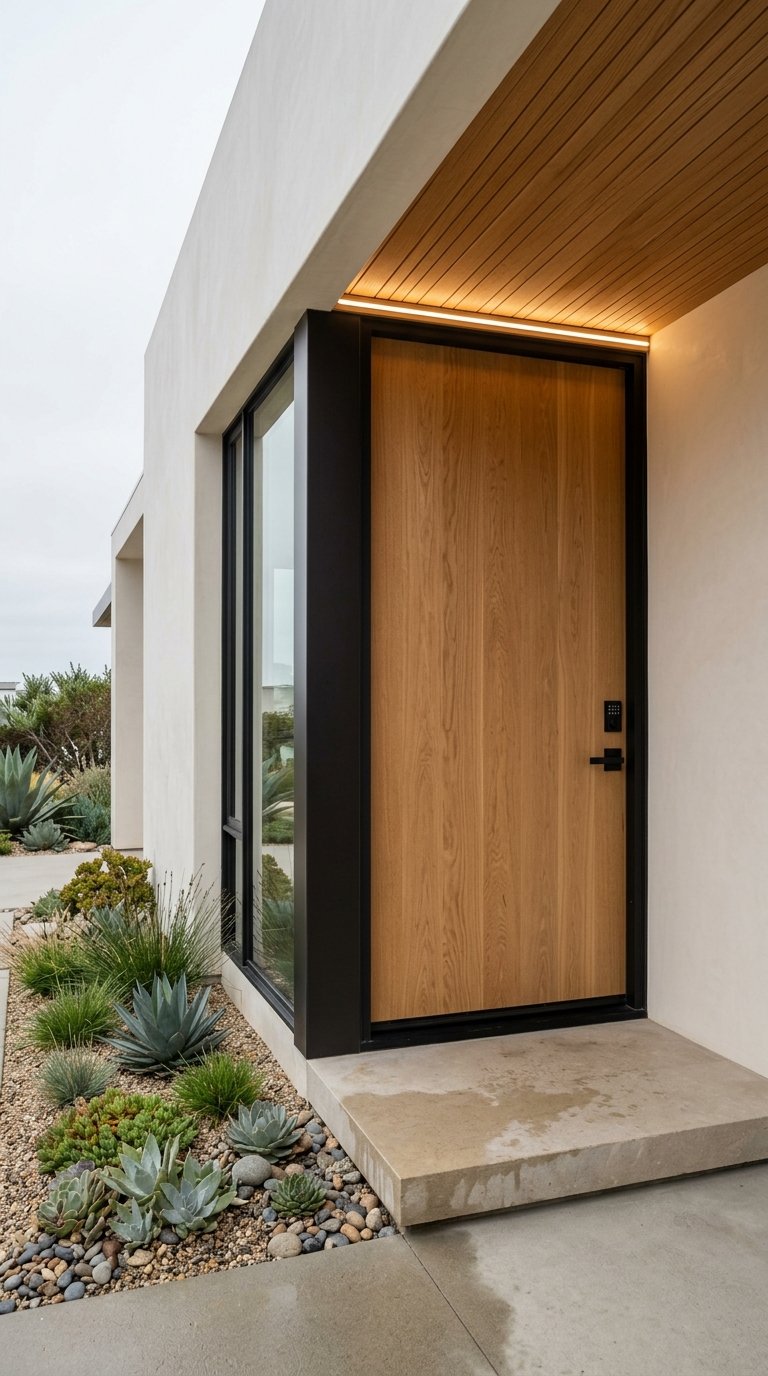
Keep this immediate zone lean, clean and green. Remove all dead vegetation. Use low‑fuel plantings, limit or avoid wood mulch, and maintain irrigation as needed. Store firewood and other combustibles well away from walls.
Reduced fuels: 5–30 feet
Break up continuous fuels by spacing shrubs, thinning small trees and removing ladder fuels that let a ground fire climb. Keep branches pruned and ensure plants are healthy and watered appropriately.
Fuel modification: 30–100 feet
Thin brush and tree canopies to reduce the chance of crown fire. Maintain horizontal and vertical spacing between vegetation. On steeper slopes, expand spacing and clearance because fire moves faster uphill. If the 100‑foot zone extends beyond your parcel, coordinate with neighbors where possible.
Plan for canyon winds and slopes
Canyon winds can carry embers farther and increase fire intensity. Focus added clearance on windward sides and steeper slopes. Revisit spacing each season as plants grow and conditions change.
Utilities, tanks and access
Small fixes in these areas improve safety and help first responders.
Clear around fuel sources
Maintain at least 10 feet of clearance around propane tanks. Keep vegetation and debris away from gas meters, HVAC units and pool equipment. If available in your area, consider automatic or remote gas shutoff technology.
Improve access and visibility
Ensure your driveway is clear and wide enough for emergency vehicles. Post a highly visible address at the road. Trim back vegetation that could block access or sightlines.
Remove ember catch points
Clear debris from under balconies, stairs and decks. Move combustible outdoor furniture and décor away from walls during high‑risk periods.
What buyers and sellers should know
Wildfire hardening affects market confidence, insurance and required disclosures. Addressing these items early can smooth your transaction.
Natural Hazard Disclosures
In California, sellers must provide Natural Hazard Disclosures that indicate if a property is in a mapped fire hazard zone. Confirm current requirements and forms, and complete them accurately. Buyers appreciate clear, organized documentation.
Insurance and underwriting
Insurers look at structure vulnerability, including roof type, vents, siding and defensible space. Upgrades can help with underwriting decisions and may influence premiums. Keep dated receipts, before‑and‑after photos and any inspection reports to present to carriers.
Permits and product listings
Minor maintenance typically needs no permit, but roof replacements, structural changes and some retrofits might. Verify with your local building department and follow WUI construction standards where required. Use listed, ember‑resistant products and licensed contractors experienced in wildfire mitigation.
Grants and community programs
From time to time, federal, state or local programs support community fuel reduction or home assessments. Availability changes, so check with local fire agencies and emergency services for current opportunities.
A simple annual plan
- Early spring: Clear gutters, prune trees, remove dead vegetation, inspect roof and vents. Service gas appliances and clean around propane tanks.
- Late summer: Walk your property for new dry fuels. Test irrigation and address plant health.
- After major storms: Re‑check the roof, gutters and around the foundation for debris.
- Before listing: Request a defensible space check from your local fire authority or a certified assessor. Keep records to share with buyers and insurers.
Quick homeowner checklist
- Confirm a Class A roof or plan upgrades.
- Install ember‑resistant vents and seal gaps.
- Clean gutters and consider gutter guards.
- Establish the 0–5 foot lean, clean, green zone.
- Thin and space vegetation from 5–30 feet, and beyond as needed.
- Clear under decks; add non‑combustible skirting if feasible.
- Upgrade to tempered, dual‑pane windows as budget allows.
- Maintain 10+ feet of clearance around tanks and meters.
- Improve driveway access and address visibility.
- Document all work with photos, receipts and any inspection reports.
Cost‑smart order of operations
Start with the highest impact, lowest cost items: clean gutters, seal vents, and remove combustibles near the home. Next, fine‑tune landscaping and defensible space. Plan for larger investments like roof or siding upgrades as budget allows. When hiring out, get three bids from licensed contractors and confirm materials meet wildfire standards and local code.
Bringing it all together
A wildfire‑ready home starts with your roofline, vents and immediate surroundings. Add ember‑resistant materials, maintain smart spacing in the landscape, and keep thorough records. These steps reduce ignition risk, support insurance conversations and strengthen buyer confidence if you decide to sell.
If you are preparing to list or buy in Orange’s canyon or foothill areas, a clear hardening plan can help you move forward with confidence. For discreet guidance on market prep, documentation and presentation, connect with our team. Unknown Company can help you evaluate priorities, coordinate improvements and position your home for a strong result. Request a confidential home valuation.
FAQs
Will wildfire hardening lower my insurance premium in Orange?
- It can help. Insurers often consider roof type, vents, siding and defensible space, but decisions vary by carrier. Save receipts, photos and inspection reports to present when you shop coverage.
How much defensible space do I need on a canyon lot?
- Typical guidance is up to 100 feet, adjusted for slope and local rules. Canyon slopes and wind exposure may require greater spacing. Confirm parcel‑specific requirements with local authorities.
What are the most cost‑effective upgrades for ember risk?
- Sealing vents and cleaning gutters and roof debris deliver high impact at lower cost. Roof replacement is most effective overall but also the most expensive.
Do I need permits to make these changes?
- Many maintenance tasks do not require permits. Structural changes, roof replacement or specific product installations may. Check with your local building department and follow WUI standards where applicable.
Are there grants or programs that can help with costs?
- Programs sometimes support community fuel reduction or home assessments. Availability changes, so check with local fire agencies and emergency services for current opportunities.