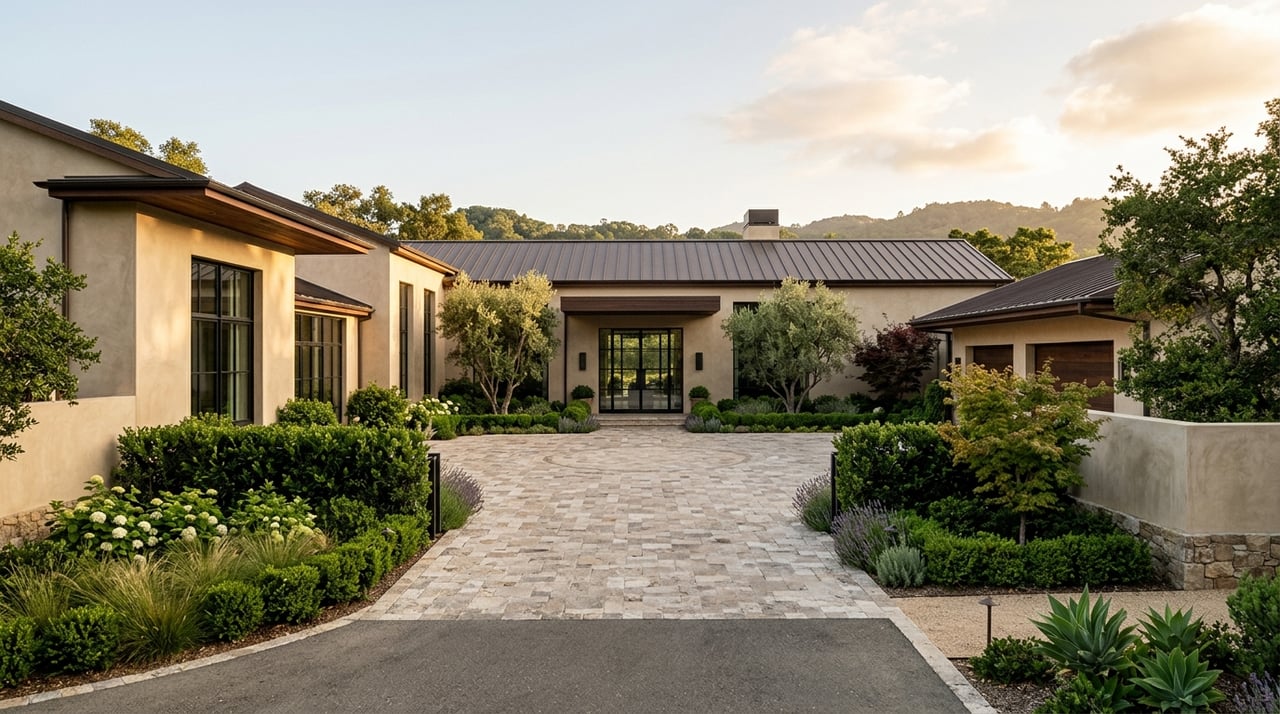
If you are considering a move to Rancho Santa Fe, the real question is not just whether you want a luxury home. It is whether you want the specific kind of estate lifestyle this community was designed to offer. For some buyers, that means unmatched privacy, acreage, and a highly curated setting. For others, the structure and upkeep may feel like more than they want to take on. This guide will help you decide if Rancho Santa Fe is the right fit for your next estate. Let’s dive in.
What Makes Rancho Santa Fe Different
Rancho Santa Fe stands apart because it was planned as a low-density estate community, not a typical suburban neighborhood. According to San Diego County planning documents, the area is defined by large residential lots and a rural estate pattern.
The Rancho Santa Fe Association notes that the community was established in 1928 to preserve rural landscapes and architectural quality. In the core area, which spans about 10 square miles or 6,730 acres, the average lot size is more than two acres.
That planning history still shapes what you feel when you drive through the community today. Winding roads, generous setbacks, and a Village center surrounded by larger homesites create a setting that feels quieter and more private than many other luxury markets in San Diego County.
Estate Living Means More Land and More Privacy
For many buyers, the biggest draw is space. In principal estate areas, minimum net lot sizes generally run 2.86 acres or 2.0 acres, while the Village has smaller lot-size categories, based on county and Association information.
That lot pattern can support a different way of living than you might find in a compact luxury subdivision. Depending on the property and approvals, estate settings may allow features that fit a more expansive lifestyle, such as guest accommodations, recreation areas, or horse-related improvements.
The broader San Dieguito planning area may also include secondary uses such as orchards or horse keeping, according to county guidance and Association history. If you want a property that feels more like a private compound than a standard home on a small lot, Rancho Santa Fe may check that box.
The Lifestyle Appeals to Buyers Seeking Privacy
Privacy is one of the clearest reasons buyers focus on Rancho Santa Fe. The combination of large lots, rural road patterns, and a long-standing covenant structure creates a living environment that feels intentionally sheltered from the pace of busier coastal neighborhoods.
That appeal is often strongest for buyers who want room to spread out without giving up access to services and amenities. You can have estate scale while still being connected to a community with organized support, maintained open space, and a recognizable town center.
Clubs, Trails, and Village Conveniences
Lifestyle matters just as much as square footage when you are evaluating an estate market. In Rancho Santa Fe, many of the community assets buyers ask about are tied to Association life and the Covenant.
Association property owners may join the Rancho Santa Fe Golf Club and access the clubhouse restaurant. The Tennis Club is also private to members and their guests, which adds to the community's more private and resident-focused character.
For outdoor access, the Covenant includes a trail network of nearly 60 miles reserved for residents and their guests. That is a meaningful lifestyle feature if you value walking, riding, or spending time outdoors in a setting that feels removed from dense urban development.
Equestrian buyers often pay special attention to Rancho Santa Fe for this reason. The Association's Osuna Ranch is a 25-acre property with boarding, pastures, arenas, and lessons.
The Village adds a practical side to the lifestyle. According to the Association overview, the Village includes shops, restaurants, commercial businesses, the historic inn, the library, and community-serving facilities near the center of town.
Community Design Is Deliberate
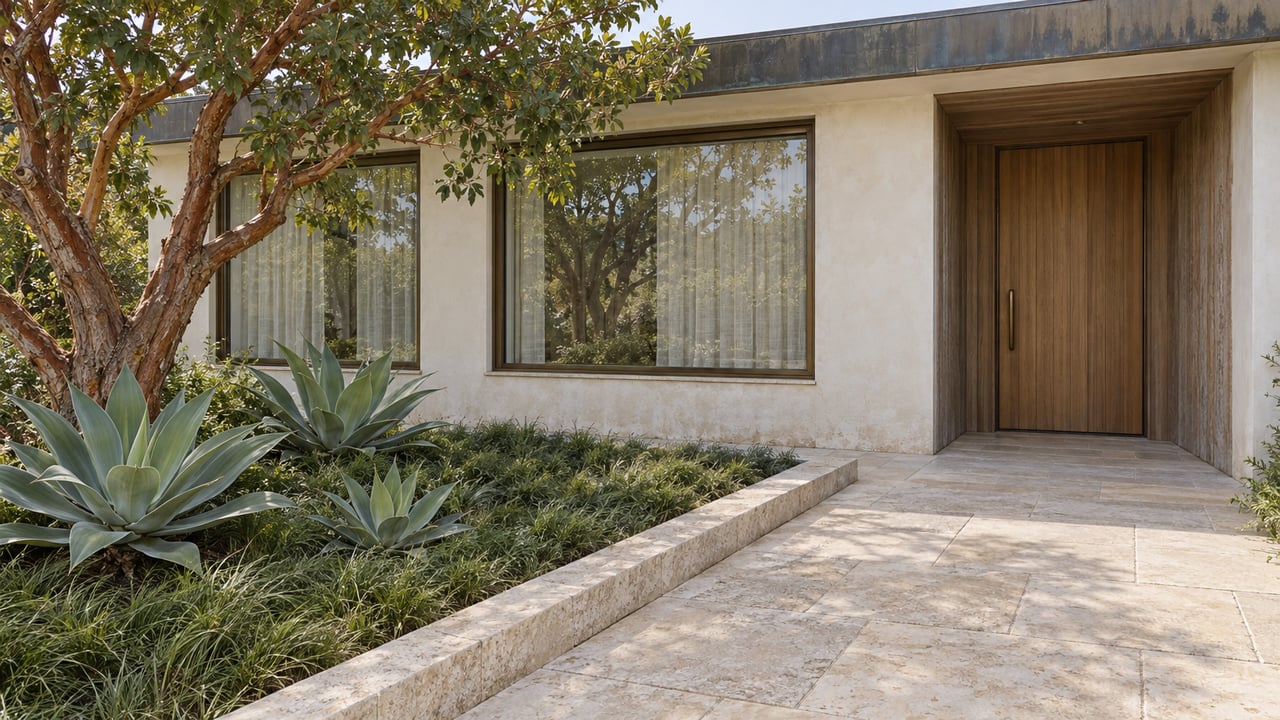
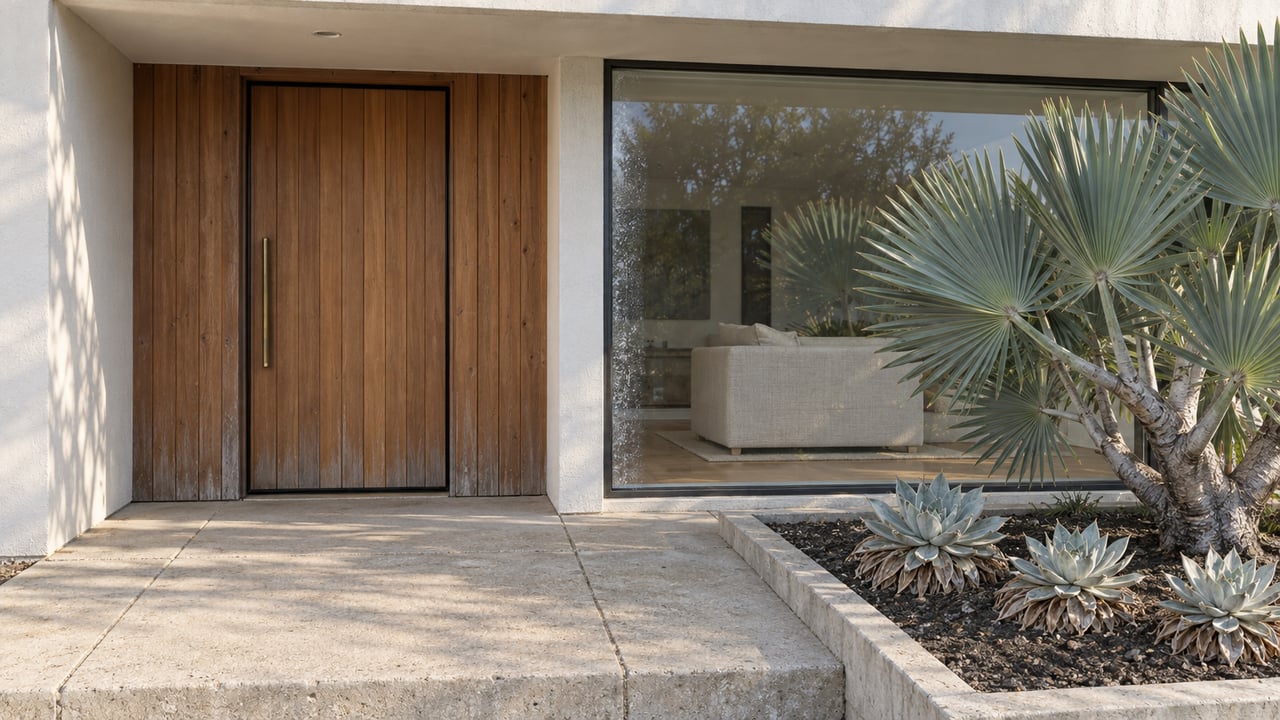
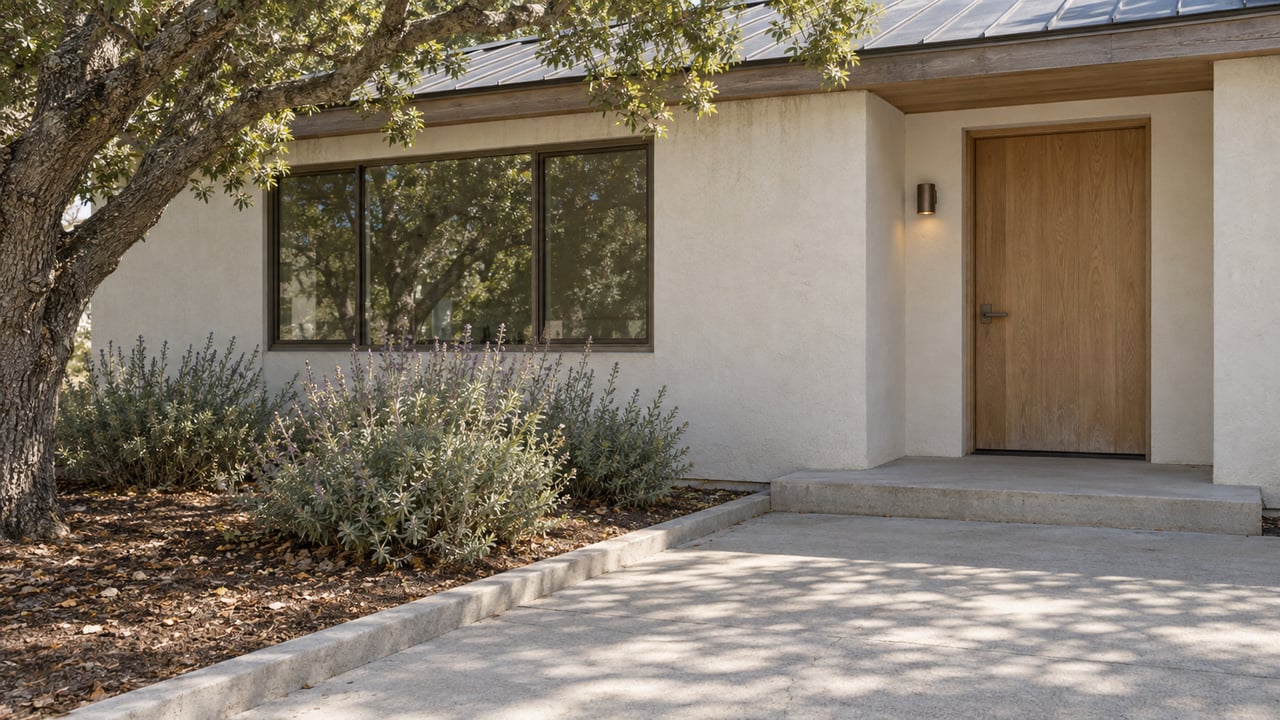
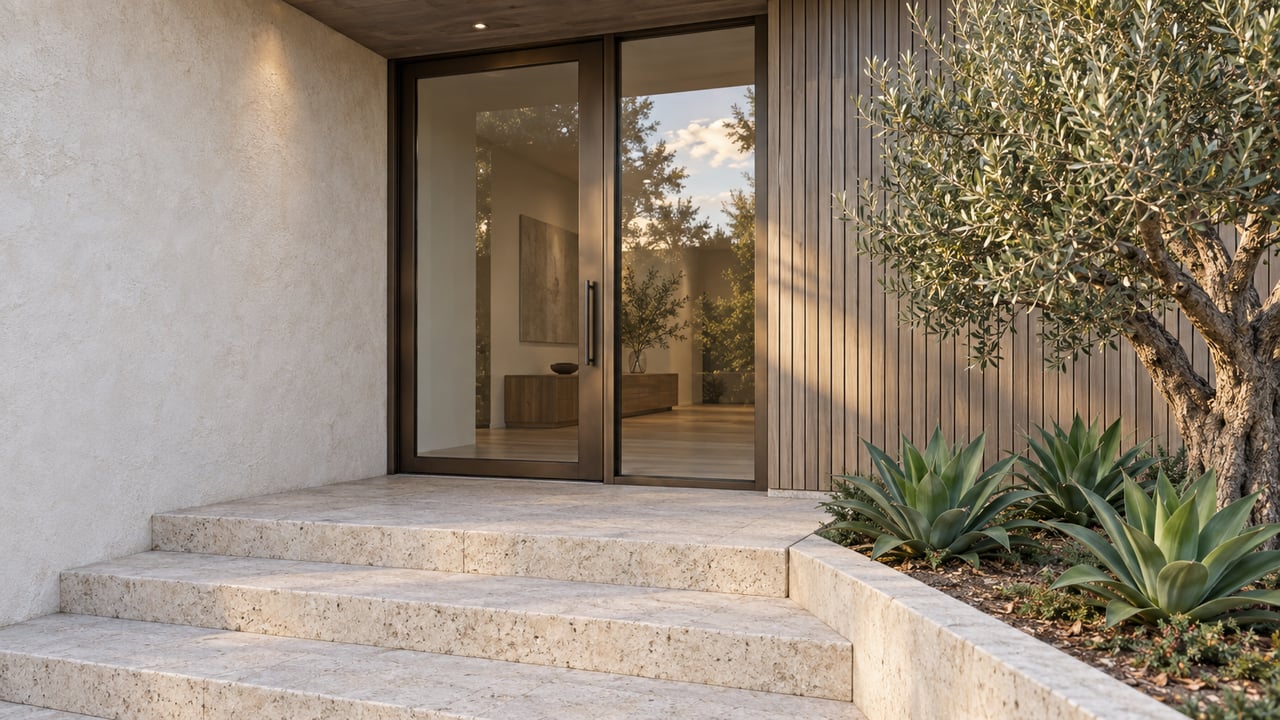
Rancho Santa Fe is not just large-lot housing. It is a community with a specific design philosophy. Association guidance describes the area as having a subdued, rural character, with architecture that remains simple and subordinate to the setting and landscaping that leans on informal, native, or traditional plant materials.
This helps explain why the community often feels cohesive even though many homes are custom. The Association's design guidance and historical context reinforce a preference for preserving natural landforms and maintaining an understated estate character.
The Village also has a distinct visual identity. County planning information describes it as a pedestrian-scale district with attractive Spanish-style buildings, while the Association notes that Spanish Colonial Revival architecture continues to influence historic buildings and many residences.
What Estate Properties Often Include
A practical way to think about Rancho Santa Fe housing is that many properties are designed more like custom compounds than production homes. The formal application framework referenced by the Association includes property elements such as detached guest houses, barns or stables, tennis or sport courts, pool features, and specialized parking configurations.
The Association site data materials make clear that buyers here are often evaluating more than the main residence. You may also be evaluating the land, the supporting structures, and the long-term potential of the estate as a whole.
That can be a major benefit if you want flexibility and room for a tailored lifestyle. It can also mean you need to think carefully about maintenance, planning, and future improvements before you buy.
Architectural Review Is Part of Ownership
One of the biggest things to understand before buying in Rancho Santa Fe is that ownership comes with review requirements. The Association states that homeowners agree to abide by the covenant at escrow, and the Building Department helps members navigate the process.
For exterior changes, the Art Jury and Building & Planning Department review a wide range of proposed work. The Association's welcome information says this review process can cover guest houses, pool houses, ADUs, sport courts, horse-keeping facilities, swimming pools, fences, entry gates, exterior finishes, windows, tree removal, exterior lighting, grading, and driveway or hardscape changes.
The Building Department overview also shows how hands-on this structure is, with architectural, landscape, and horse-keeping consultants involved. If you appreciate consistency and design stewardship, this may be a strong positive. If you prefer minimal oversight, it may feel restrictive.
Maintenance Is a Real Consideration
Estate living usually means more ongoing responsibility, and Rancho Santa Fe is no exception. Larger lots can mean more landscaping, more irrigation, more tree care, and more day-to-day oversight than a smaller property would require.
The Association says it is shifting landscaping toward lower-water palettes and updating irrigation systems, which reflects the practical realities of maintaining large grounds. In addition, the local fire district runs a year-round vegetation management program and encourages wildfire-preparedness inspections.
That does not make ownership harder for every buyer, but it does mean you should go in with a clear understanding of the lifestyle. The purchase is only part of the decision. The ongoing care of the property is part of it too.
Who Rancho Santa Fe Fits Best
Rancho Santa Fe may be a strong fit if you want:
- Acreage and separation from nearby homes
- A private, rural-feeling setting
- Access to club, trail, and equestrian amenities tied to the community
- A custom estate environment with long-term design consistency
- A lifestyle built around land, privacy, and managed aesthetics
It may be a weaker fit if you prefer:
- Compact lots and lower-maintenance ownership
- Minimal design review or approval processes
- A more public-facing neighborhood pattern
- A simpler lock-and-leave property setup
In other words, the best fit often comes down to how you want to live, not just what you want to spend. Rancho Santa Fe offers a very specific kind of luxury, and that clarity is part of its appeal.
How to Evaluate Your Next Estate
If Rancho Santa Fe is on your shortlist, it helps to look at each property through both a lifestyle lens and an ownership lens. A beautiful estate may still be the wrong choice if its maintenance demands or review limitations do not line up with your goals.
As you compare options, consider these questions:
- How much land do you truly want to maintain?
- Do you value covenant oversight and architectural consistency?
- Are trails, equestrian access, or club opportunities important to you?
- Do you want flexibility for future additions or exterior changes?
- Would a Village-adjacent setting or a more secluded estate area suit you better?
Those answers can quickly tell you whether Rancho Santa Fe is the right match. If you want help weighing lifestyle, property type, and long-term fit in this market, The Lotzof Group offers discreet, high-touch guidance tailored to Rancho Santa Fe buyers and sellers.
FAQs
Is Rancho Santa Fe known for large estate lots?
- Yes. San Diego County and Rancho Santa Fe Association information show that the community is planned around a low-density estate pattern, with average lot sizes in the core area exceeding two acres.
Does Rancho Santa Fe have private trails and clubs?
- Yes. The Covenant includes nearly 60 miles of trails for residents and guests, and certain club amenities such as the golf and tennis clubs are tied to Association membership eligibility.
Does buying in Rancho Santa Fe involve architectural review?
- Yes. The Association's Art Jury and Building & Planning Department review many exterior changes and site improvements to help maintain community character.
Is Rancho Santa Fe a good fit for equestrian buyers?
- It can be. The community's trail network, horse-keeping context, and Osuna Ranch amenities make it especially relevant for buyers who want equestrian access.
Is Rancho Santa Fe a low-maintenance luxury market?
- Not typically. Large lots, landscaping, irrigation, vegetation management, and covenant-related review all point to a more hands-on ownership experience than smaller luxury properties usually require.