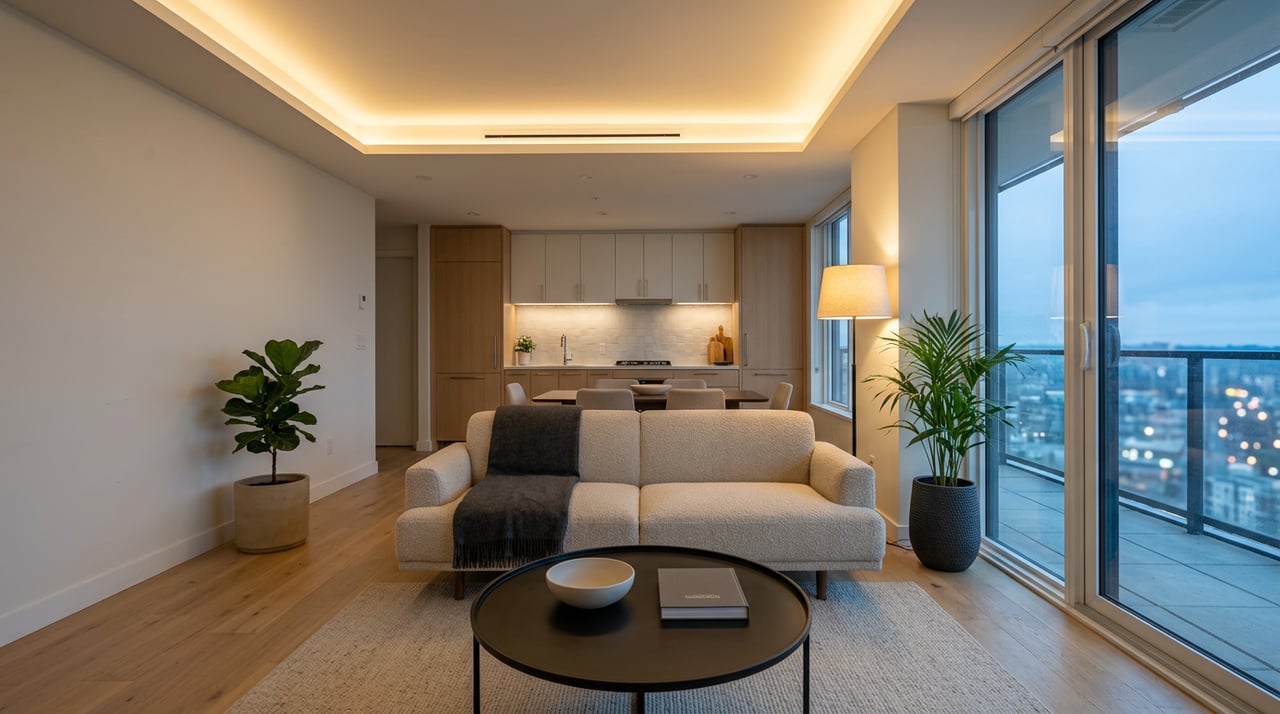
Craving a home where your morning coffee, evening concert, and weekend market are all a short walk away? Downtown San Diego delivers that kind of everyday ease, with skyline and bay views as your backdrop. If you are weighing urban convenience against space and HOA costs, this guide will help you picture the rhythm of life in 92101. You will learn how each micro-neighborhood feels, what amenities to expect, and the practical trade-offs to consider. Let’s dive in.
The downtown rhythm
Mornings on foot
Downtown living centers on walkability. Many blocks are a quick stroll to coffee, gyms, dry cleaning, and waterfront paths. Neighborhoods like Little Italy and the Gaslamp score very high on Walk Score’s scale, which means errands and daily routines are simple without a car. This is a big part of why urban buyers choose 92101.
Midday convenience
Most buildings focus on a lock-and-leave lifestyle with on-site amenities like fitness centers, pools, and concierge services. You give up a yard and garage, but you gain time back in your day. When you want fresh produce, the Little Italy Mercato farmers’ market makes it easy to shop local foods on foot. For a broader neighborhood overview, start with the city’s downtown district map to see how the areas fit together.
Evenings in the action
If you want energy, it is here. Padres games at Petco Park and concerts at the Rady Shell bring regular buzz. Dining options range from neighborhood trattorias to rooftop spots, and the waterfront promenade turns a simple walk into a sunset ritual. Expect more noise and event crowds in East Village and the Gaslamp, and a calmer scene along the waterfront.
Choose your micro-neighborhood
Little Italy
- Feel: Cafe-and-market living with busy sidewalks and frequent neighborhood events. The Little Italy Mercato anchors a lively daytime scene.
- Why you might choose it: High walkability, a strong restaurant and market culture, and a friendly street feel.
- Learn more: Check Walk Score’s map for a snapshot of its walkability.
Resources:
Gaslamp Quarter
- Feel: Historic blocks with 16-plus blocks of restaurants, bars, and venues. Expect more nightlife noise and event activity.
- Why you might choose it: You want to walk to dinner, comedy shows, and nightlife, and you do not mind a lively street scene.
- Learn more: Explore neighborhood context on the downtown districts page and review its walkability.
Resources:
East Village
- Feel: The largest and fast-growing district with new residential towers, breweries, and Petco Park next door. Event nights add crowds and energy.
- Why you might choose it: You want a contemporary condo near sports, casual dining, and transit.
- Learn more: Neighborhood snapshots and maps help you see the layout.
Resource:
Marina, Columbia, Embarcadero
- Feel: Bayfront promenades, harbor views, and some of the area’s premium towers. Quieter waterfront walks with easy access to the boardwalks.
- Why you might choose it: You prize views, a refined lobby experience, and resort-style amenities.
- Learn more: Use the downtown map to see how these waterfront strips sit along the bay.
Resource:
Cortez Hill and Core
- Feel: A more residential, hilltop setting in Cortez Hill and a civic-office center in the Core. Less nightlife at your front door.
- Why you might choose it: You want central access without the busiest evening crowds.
- Learn more: Start with the city’s district descriptions.
Resource:
Building types and amenities
Luxury high-rises
Newer towers market a full-service lifestyle with 24-hour lobby staff, expansive amenity decks, fitness centers, lounges, and guest suites. Some marquee buildings even advertise unique perks such as private chef concierge services and a yacht-share program for residents. Expect premium finishes, protected views when possible, and higher monthly HOA dues to support those services.
Mid-rise and boutique condos
Smaller buildings provide urban convenience with a lower monthly footprint. You might see compact fitness rooms, a modest pool or spa, and secure entry. HOA dues are often lower than full-service towers, but amenities and staffing are lighter. If you value location over an extensive amenity list, this can be a smart balance.
Lofts and historic conversions
These homes trade some insulation and modern systems for character and open interiors. You will often find exposed elements and unique layouts. Amenities vary widely, so review each building’s offerings, rules, and maintenance history before you decide.
What HOA dues cover
Monthly HOA dues vary by building and service level. Older or smaller buildings can land in the low hundreds per month. Many contemporary mid- and high-rise communities fall into the several-hundreds range, and full-service luxury towers can reach well into four figures per month. Listings at well-known mid- to high-amenity buildings often show dues around the mid-to-high hundreds per month, while ultra-luxury towers are higher. Always verify what dues include, such as water, trash, some utilities, cable or internet, and review the HOA budget, reserves, and any special assessments before you make an offer.
Getting around without the car
Walkability first
Downtown neighborhoods are designed for walking. Little Italy and the Gaslamp qualify as Walker’s Paradise on Walk Score’s scale, which reflects the ease of everyday errands on foot.
Trolley and regional rail
Downtown is a hub for San Diego’s trolley network, including the Mid-Coast Blue Line extension that increased connections to UC San Diego and beyond in 2021. Multiple downtown stops make car-free commutes realistic. For regional trips, Santa Fe Depot connects to Amtrak and the COASTER commuter rail for North County access and intercity travel.
Driving and parking policy
Downtown sits at the junction of I-5, CA-163, and I-8, so regional driving is straightforward. Like most city centers, peak-hour congestion is common. The city has relaxed some parking minimums near transit, which influences how much on-site and surface parking developers provide and how curb space is managed. Factor this into your daily plan for guests and deliveries.
Everyday logistics to check
Parking and deliveries
Most units include one assigned parking space, sometimes a tandem stall. Not every condo comes with multiple spaces and guest parking is often limited. If you plan to host regularly or share vehicles, verify guest policies, EV charging availability or expansion plans, and where ride-hailing pickup works best at your building’s curb.
Boating and the waterfront
Living on the waterfront does not usually include a private boat slip in your building. Some high-end towers partner with yacht-share programs rather than offering on-site slips. If boating is part of your lifestyle, plan to rent a slip at nearby marinas on Shelter Island or Harbor Island, a short drive from downtown. Confirm what your building offers, if anything, and where slip rentals are available.
Trade-offs to weigh
Urban convenience comes with real-world considerations. You will likely trade a private garage and yard for shared amenities and a smaller storage footprint. HOA dues support your building’s services, so budget accordingly. Event nights near Petco Park or along the Gaslamp can mean more street activity and noise, while the Marina and Columbia areas trend quieter. Visit at different times of day to gauge your own comfort level.
Showing-day checklist
Use this list to focus your tours and due diligence:
- Confirm monthly HOA dues, exactly what they include, and the current reserve fund level. Ask for the past 12 months of HOA meeting minutes and financials.
- Check parking assignments, guest parking rules, EV charging options, and any planned infrastructure upgrades.
- Verify rental and lease rules if you may rent later. Some associations restrict short-term rentals. Ask about any special assessments.
- Visit at different times, including game nights and weekends, to experience noise, crowds, and traffic firsthand.
- If boating access matters, ask whether the building offers any partnerships, and where nearby marinas provide slips.
Is downtown condo living right for you?
If you value a high-walkability lifestyle, on-site amenities, and a front-row seat to San Diego’s skyline and bay, downtown can be a great fit. If you prefer more space, private parking flexibility, and quieter evenings, consider a waterfront tower or a nearby coastal neighborhood instead. Either way, the right guidance helps you align lifestyle, building type, and budget with confidence.
When you are ready to tour buildings, compare HOA budgets, and map commutes and daily routines, connect with The Lotzof Group for discreet, expert buyer representation tailored to your goals.
FAQs
What is daily walkability like in Downtown San Diego?
- Little Italy and the Gaslamp rank as Walker’s Paradise on Walk Score, so most errands, dining, and entertainment are an easy stroll.
How much are HOA dues for downtown condos?
- Dues range widely: low hundreds per month in smaller or older buildings, several hundreds in many mid- and high-rises, and four figures in full-service luxury towers.
How do trolley and train options support commuting downtown?
- Multiple trolley stops connect across the region, and Santa Fe Depot links to Amtrak and the COASTER for North County and intercity trips.
What should I know about parking and guests?
- Most units include one assigned space and guest parking is often limited, so confirm guest policies, EV charging, and pickup zones for ride-hailing.
Are boat slips included with waterfront condos?
- Private slips are uncommon within residential towers. Owners typically rent slips at nearby marinas or use building partnerships like yacht-share programs.
How do events affect living near Petco Park or the Gaslamp?
- Expect more energy, street activity, and noise on game and concert nights. Visit at different times to gauge your comfort level before you buy.